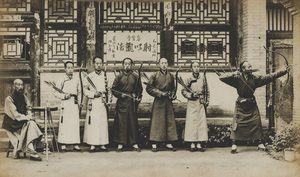
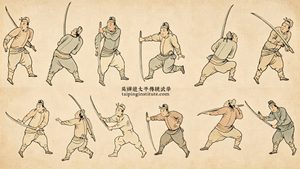
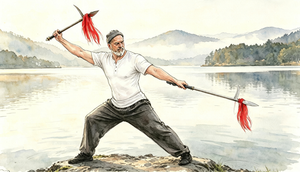
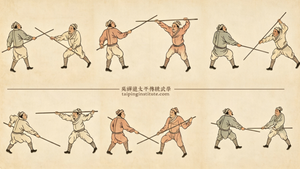
Welcome to the heart of Chinese martial arts excellence – The Taiping Institute, headquartered in the vibrant city of Singapore! We’re not just about kicks and punches; we’re the ultimate fusion of heritage, preservation, and martial arts practice. At Taiping, we’ve inherited traditional martial arts programmes that transcend the ordinary; we represent traditions going back hundreds of years, yet we also possess the science of the modern age. It’s a thrilling blend of skill development, where empty-handed finesse and weapon-wielding mastery go hand in hand. Taiping Combatives isn’t just about theory; it’s a real-world combat experience that turns every trainee into a force to be reckoned with. Our systems are not just practical; they’re downright realistic.
We’re not preparing you for scripted scenarios; we’re teaching you how to navigate through the unpredictable terrain of violent encounters, whether you find yourself empty-handed or armed to the teeth. Get ready to redefine your limits because with the Taiping Institute, martial arts are a transformative and empowering journey, helping you meet the challenges not only in combat but also in other aspects of life!
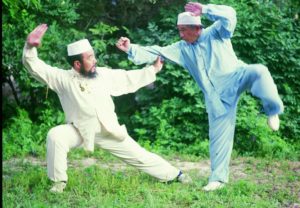
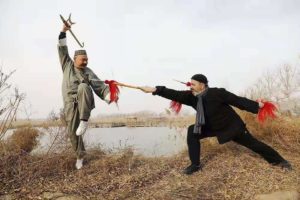
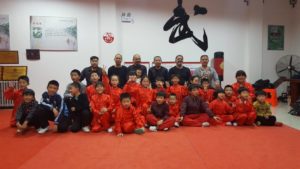
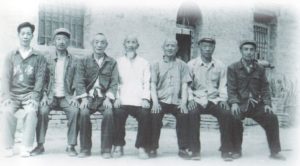
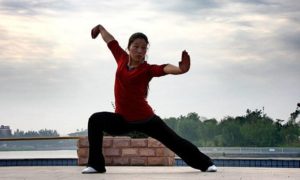
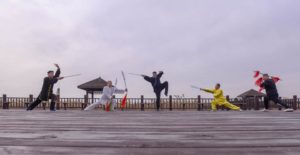
| Martial Arts Systems: The martial arts systems of the Taiping Institute are classified according to the region from which they originate or are practised. These areas are the specialities of the founder and encompass a vast array of systems. (Programs | 把势武艺) | Health Cultivation: An important part of martial arts is training a healthy mind, body and spirit. These include aspects of meditative practice, health exercises, therapeutic methods and scientific training principles. (Health Cultivation | 养生) | Blog/Articles: Taiping Institute is also a house of martial arts research. Practical, historical and scientific expeditions are conducted regularly to enter the exciting world of combat martial arts. (Blog/Articles) |
Train with the
Institute.
Structured seminars led by senior practitioners — covering combat application, lineage transmission, and the theoretical foundations that most schools leave unaddressed. Open to practitioners of all backgrounds.